Jewelry retail landscapes keep transforming as modern shoppers re‑evaluate what they expect from fine diamond jewelry. More store operators recognize that expanding ring selections beyond traditional mined diamond pieces unlocks untapped sales potential and draws in visitor groups that rarely converted before. Today’s shoppers weigh ethical credentials, accessible price tiers, visual brilliance and certified quality equally when browsing ring displays, and lab‑grown diamond goods satisfy most of these critical buying requirements. Adding carefully curated lab‑grown diamond ring stock does not mean abandoning existing natural diamond offerings. Instead, it builds a balanced product portfolio that lets your shop cater to diverse budgets, personal tastes and value priorities without overextending capital resources. Retail spaces of every scale, from small neighborhood boutiques to multi‑location fine jewelry outlets, can capture tangible commercial gains when they integrate these contemporary diamond rings thoughtfully into existing floor plans and sales workflows.
Expanded Customer Demographics And Broader Market Reach
Modern diamond buyers no longer fit narrow old‑world profiles focused exclusively on high‑end mined diamond bridal purchases. Large segments of today’s shoppers actively seek diamond rings for self‑gifting, anniversary milestones, promise occasions and everyday wear, alongside classic engagement use cases. Younger consumer groups including millennial and Gen Z shoppers represent a fast‑growing share of diamond‑buying audiences, and many of these individuals prioritize transparent sourcing alongside sparkling visual performance when selecting fine jewelry pieces. Many prospective customers walk into jewelry stores eager to own genuine diamond rings but cannot afford the steep entry price points attached to comparable mined diamond alternatives. Without lab‑grown diamond options available on your shelves, these potential buyers will leave empty‑handed and complete their purchases through competing retail outlets or digital platforms.
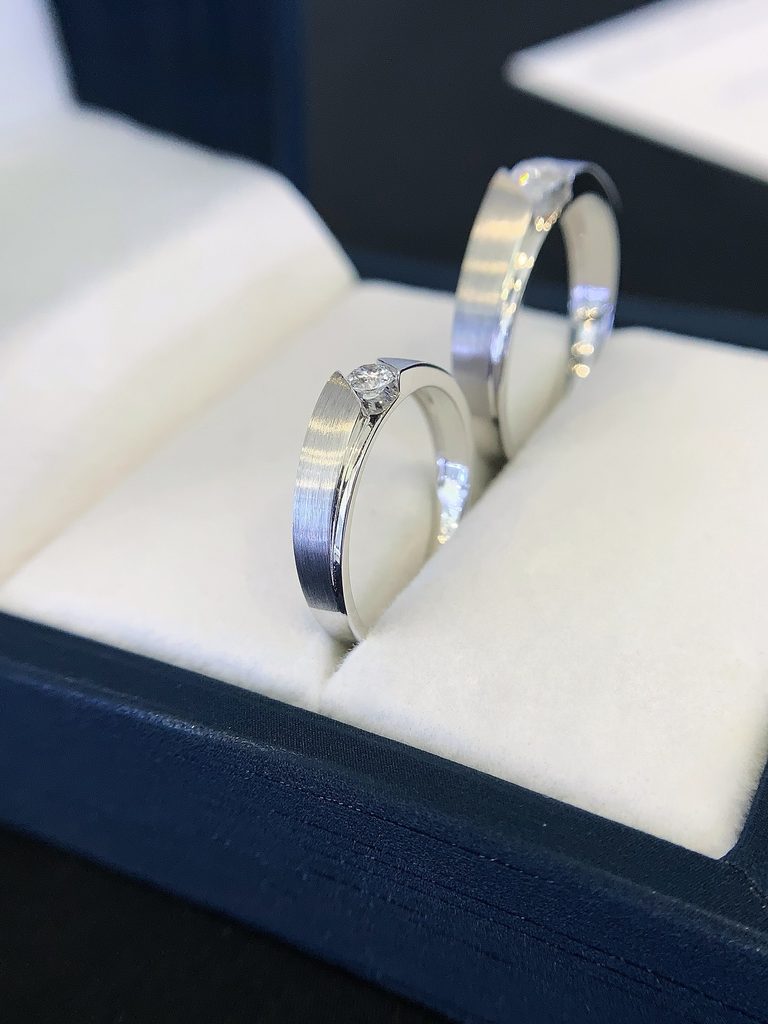
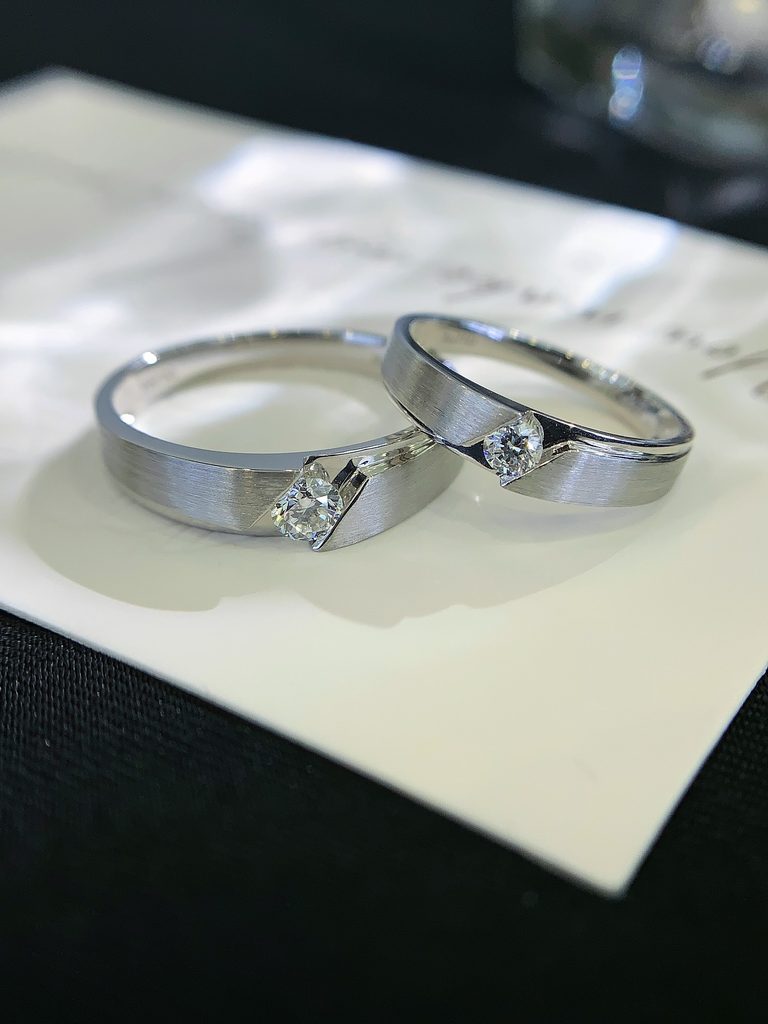
Male diamond jewelry demand continues steady year‑over‑year growth, as more men shop for statement rings, wedding bands, anniversary gifts and self‑selected fine jewelry pieces. Mens diamond rings wholesale delivers ready‑to‑sell finished styles ranging from minimalist signet settings to bold channel‑set band designs, giving retailers simple access to masculine‑oriented inventory that historically required lengthy custom lead times. These rings fit multiple buying scenarios: grooms shopping for wedding bands, men treating themselves to meaningful keepsake jewelry, and customers purchasing gifts for male partners or family members. Introducing these SKUs fills gaps within typical store assortments where masculine diamond ring choices remain limited. When your shop carries varied lab‑grown diamond rings for all genders and occasions, you capture impulse traffic and repeat visits from shoppers who previously could not locate suitable merchandise within local physical stores. You also create opportunities for cross‑selling; customers shopping for an engagement ring often explore matching wedding bands or fashion rings during the same in‑store visit.
Strong Profit Potential With Controlled Inventory Risk
Profit health remains one of the most practical considerations for every jewelry shop when assessing new product categories. Lab‑grown diamond rings carry substantially lower acquisition costs versus mined diamond rings with identical cut, color, clarity and carat specifications. This fundamental cost difference creates two flexible pathways for retail operators. Stores can either maintain competitive retail pricing to attract price‑sensitive buyers while holding comfortable gross profit margins on each transaction, or they can offer larger diamond carat sizes at familiar price brackets to upsell customers who want more prominent stone appearances. Neither strategy forces shops to sacrifice healthy returns on sold units.
Thoughtful inventory management prevents common pitfalls many retailers encounter when bringing new fine jewelry lines into stock. Reliable supply streams support reasonable minimum order volumes, so you do not need to sink massive capital into bulky initial stock piles before testing market reaction inside your local trade area. You can start with a balanced sample assortment covering popular carat weights, metal finishes and setting styles, then re‑order top‑performing designs based on real‑world in‑store sales feedback rather than speculative forecasting. This approach cuts down capital tied up in slow‑moving inventory and lowers financial exposure. Consistent stone quality represents another key advantage. Modern lab‑grown diamond production yields highly uniform gemstone grading, so you avoid frustrating inconsistencies between sample images and physical finished goods reaching your retail premises. Every ring delivered matches certification documentation, simplifying staff education and customer confidence during sales conversations. lab diamond wholesale rings include comprehensive certified options spanning CVD and HPHT produced stones, giving retailers flexible sourcing solutions for every price tier within their ring collection.
Ethical And Transparent Product Story To Support In‑Store Selling
A compelling product narrative helps your sales team connect emotionally with visitors walking through your doors. Many current‑day consumers research jewelry sourcing practices before they commit to high‑value purchases. Lab‑grown diamonds form inside controlled manufacturing environments, free from the social and environmental concerns frequently associated with traditional diamond mining operations. This clean origin story gives your staff genuine talking points to share with ethically motivated shoppers who actively inquire about supply chain backgrounds. Sales associates can explain technical facts about lab‑grown diamond formation, point to printed certification documents, and clarify that physical optical properties, hardness and durability match mined diamond characteristics exactly.
Honest communication builds lasting customer trust. You do not need to position lab‑grown diamond rings as superior replacements for mined diamonds. Instead, frame them as a valid alternative choice for buyers whose personal priorities align with accessible pricing and transparent production. Shoppers appreciate straightforward information that empowers them to make purchase decisions aligned with their own values. When your team confidently explains lab‑grown diamond facts, your store builds a reputation for integrity, which drives word‑of‑mouth referrals and encourages future return visits for repairs, upgrades and additional jewelry purchases. Customers who enjoy positive buying experiences often share their impressions with friends, family and social media circles, bringing fresh foot traffic toward your physical location.
Wide‑Ranging Design Flexibility Across Ring Collections
Retailers gain extensive design flexibility when building lab‑grown diamond ring assortments. Stones are available across every standard shape including round brilliant, cushion, oval, princess, emerald and fancy color variations. This broad stone selection supports bridal engagement rings, classic solitaire bands, halo‑style rings, pavé fashion rings, full‑eternity wedding bands and bold statement‑focused pieces. Metal options cover 10K, 14K, 18K yellow, white and rose gold alongside sterling silver bases, allowing you to construct tiered collections spanning entry‑level fashion fine jewelry all the way up to premium‑priced luxury offerings.
Ready‑made finished rings support fast restocking for fast‑selling silhouettes. Custom‑adaptable base settings also exist for retailers wanting to offer personalized engraving, stone swaps or size adjustments for local clientele. You can blend ready‑to‑ship inventory with made‑to‑order capability to balance quick shelf availability and bespoke customer requests. Mixing multiple design aesthetics helps your shop appeal to varied aesthetic preferences. Minimalist thin‑band solitaire models attract understated bridal shoppers. Chunky multi‑stone rings resonate with trend‑driven fashion‑forward buyers. Robust men’s band styles fill the previously mentioned gap for masculine diamond jewelry demand. Maintaining design variety ensures that first‑time diamond buyers, anniversary shoppers, bridal couples and gift‑seekers all find relevant ring options during their store visits.
Practical Guidance For Smooth In‑Store Implementation
Adding lab‑grown diamond rings works best when paired with small operational adjustments inside your retail space. Invest time in product knowledge training for every team member who interacts with customers. Staff should comfortably discuss diamond grading reports, production methodologies, core product differences and appropriate comparative talking points between lab‑grown and mined diamond merchandise. Avoid exaggerated claims; stick strictly to factual descriptions of gemstone hardness, visual performance and sourcing background. Thoughtful visual merchandising strengthens sales performance. Display lab‑grown diamond rings alongside comparable mined diamond pieces so customers can make direct visual comparisons. Clear, uncomplicated shelf signage can note certification availability without overwhelming shoppers with dense technical text.
Track sales metrics closely after rolling out your new ring assortment. Monitor sell‑through rates for individual styles, note which carat sizes and metal finishes generate most customer interest, and observe which customer segments gravitate toward lab‑grown selections. Use these real‑world observations to refine future purchasing decisions. Discontinue underperforming designs and increase stock volume for fast‑moving items. Maintain open communication with your supply source about lead‑time expectations, certification standards and return protocols for defective goods. Responsible inventory planning also means educating customers about resale realities for lab‑grown diamond jewelry, so buyer expectations stay realistic from point‑of‑sale. Transparency on this topic protects your store’s long‑term reputation and prevents disappointment further down the line.
Integrating lab‑grown diamond rings represents a forward‑thinking strategic move for modern jewelry shops. It expands your addressable audience, creates healthy profit opportunities, supplies compelling ethical storytelling, delivers rich design diversity and strengthens overall store competitiveness within crowded retail markets. Shops that overlook this growing product category risk losing meaningful volumes of bridal, fashion and gift‑oriented diamond ring business to competitors who embrace evolving consumer preferences. By building out a well‑balanced, thoughtfully sourced ring inventory, your store positions itself to capture current‑day demand while laying solid groundwork for sustained sales growth through future market shifts.