Running a physical or online jewelry store brings unique challenges around stock planning, supplier evaluation, and balancing consumer demand against limited operating capital. Many store operators learn costly lessons through trial‑and‑error, overinvesting in slow‑moving lines or partnering with suppliers who cannot deliver consistent product quality. This guide delivers field‑tested buying insights built from hands‑on production experience, covering category selection, quality verification, contract terms, and risk‑mitigation tactics that help stores maintain steady cash flow and satisfy diverse customer groups. independent jewelry retailers face constant pressure to compete against large chain outlets and online marketplaces, so every purchasing decision directly shapes long‑term store viability.
Map Customer Demand Before Placing Large Purchase Orders
Successful procurement starts with clear understanding of who walks through your doors and what they actively search for. Review twelve months of historical sales records to separate steady sellers from decorative inventory that sits on display without conversion. Bridal demand remains a core revenue stream for most fine‑jewelry locations, alongside everyday wearable pieces and gift‑oriented items. You should break down your audience into distinct segments: bridal shoppers seeking commitment jewelry, male buyers shopping for self‑wear or gifts, casual customers looking for accessible fashion fine jewelry, and collectors chasing distinctive hard‑to‑source designs.
Set realistic price tier boundaries for each segment rather than ordering items simply because wholesale prices appear attractive. Avoid filling shelves with overly similar designs that cannibalize your own sales. Industry practical experience suggests allocating most purchasing budget to proven high‑velocity SKUs, while reserving a smaller portion for experimental new styles that help your store stand out from nearby competitors. Document preferred metal types, popular stone shapes, and common carat ranges from past customer inquiries, this reference file prevents impulse buys that lock capital into merchandise your market will not embrace. When you complete this demand mapping exercise, you move forward with targeted independent jeweler sourcing instead of generic blind bulk buying.
Assess Quality Standards For High‑Value Bridal Inventory
Bridal categories carry higher average order values and stronger customer emotional attachment, which also raises expectations for material integrity and documentation. When reviewing lab diamond engagement rings wholesale offerings, never base judgments exclusively on digital photos or spreadsheet pricing sheets. Visual discrepancies between screen images and physical finished goods happen frequently in cross‑border supply chains. Request physical sample units for hands‑on inspection before committing to sizable orders. Each diamond should come with formal third‑party grading reports from widely‑recognized laboratories such as IGI or GIA, with every stone individually certified instead of relying on generalized batch documentation.
Pay close attention to cut performance beyond printed grading grades. Poorly executed cuts create visible light leakage, making stones appear dull under retail display lighting even if color and clarity metrics look favourable on paper. Inspect mounting craftsmanship, check solder joints, prong tightness, surface polish, and verify that plating thickness meets long‑term wear expectations. Ask suppliers to disclose diamond growth methods, distinguishing CVD versus HPHT origins clearly on accompanying paperwork. Clarify return policies for grading mismatches or manufacturing defects upfront. Bridal customers hold retailers accountable for every detail of their engagement purchase, so thorough pre‑order quality checks drastically lower future return rates and preserve your store’s local reputation.
Expand Male‑Focused Assortment With Careful Wholesale Evaluation
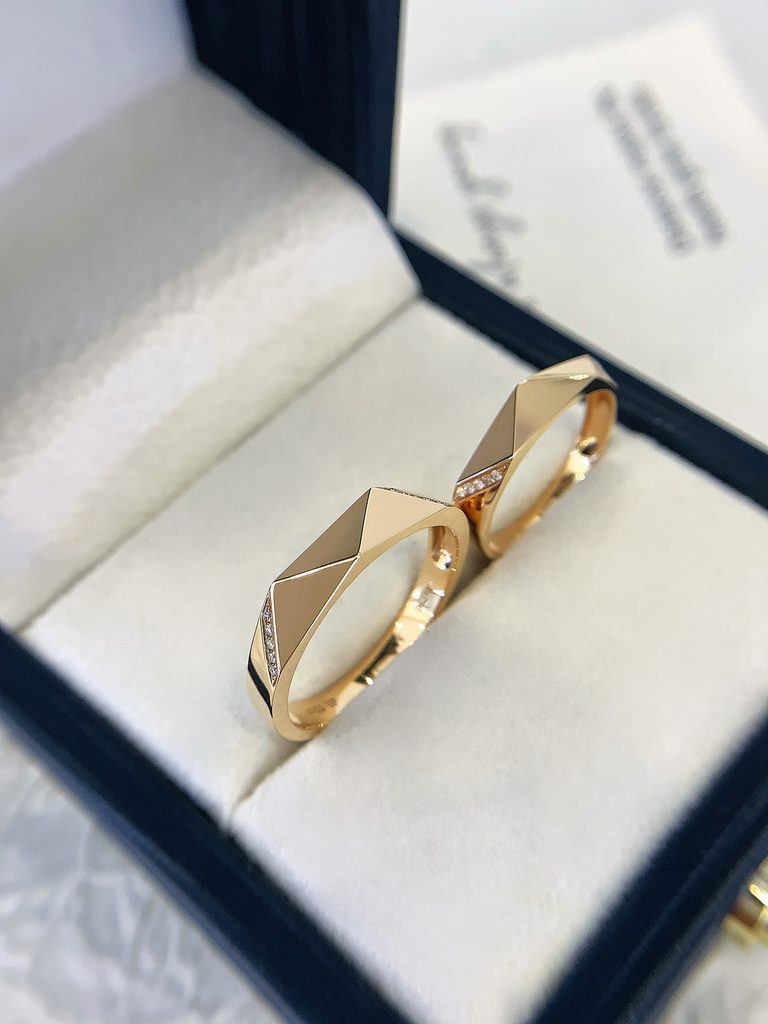
Men’s fine‑jewelry demand keeps climbing across global retail markets, yet many local shops maintain limited selections and miss reliable revenue opportunities. When exploring mens rings wholesale options, think beyond simple plain band styles. Modern male buyers seek textured surfaces, engraved details, mixed‑metal finishes, and stone‑set designs spanning casual daily wear to milestone celebration pieces. Metal options span sterling silver, gold fill, solid 10‑kilogram, 14‑kilogram and 18‑kilogram gold, alongside durable titanium and tungsten alternatives for budget‑conscious shoppers.
Watch for common wholesale pitfalls within this category. Tungsten rings cannot be resized, so you need broad ring‑size coverage rather than limited standard sizing. Low‑cost plated male rings often show heavy wear and chipping after short‑term everyday use, generating customer complaints. Compare unit cost against expected retail selling price to confirm acceptable gross profit margins. Request samples to test scratch resistance and finishing consistency across different production batches. Mix core staple band styles with limited‑edition statement pieces, and keep total initial order quantities manageable so you avoid overstocking sizes that rarely sell. Thoughtful curation of men’s ring inventory opens fresh revenue streams without unnecessary capital exposure.
Evaluate Supplier Competency Beyond Unit Pricing
Low unit prices can seem compelling, yet weak supplier performance creates far greater financial harm through delayed shipments, inconsistent batches, high defect ratios, and unresponsive support. Build a shortlist of potential partners and run consistent evaluation checks for every candidate. Confirm production capacity matches your order volume forecasts, verify they can handle small test orders as well as larger restock runs as your business expands. Ask to review recent customer references from comparable retail operations.
Clarify all commercial terms in written communication. Confirm minimum order thresholds, production lead‑times, shipping protocols, insurance coverage for high‑value parcels, and fault‑item replacement procedures. Reliable partners will openly discuss material composition, certification workflows, and possible custom modification options for private‑label needs. Be cautious of vendors pushing massive one‑time orders before you have tested physical samples. Transparent communication and consistent output matter more than the lowest per‑piece cost on a price sheet. A trustworthy supply partner evolves alongside your store and reduces many operational headaches over years of cooperation.
Optimize Inventory Turnover And Guard Cash Flow
Jewelry inventory consumes substantial working capital, so turnover management directly decides business health. Fine jewelry typically sees slower turnover compared to fast fashion goods, which means poor buying decisions tie funds up for extended periods. Create practical buying budgets separated by product category, and enforce spending limits strictly. Track sales velocity for every SKU you carry, identify slow‑moving stock early, and adjust future purchasing accordingly.
Use test‑order strategies for new product lines. Place modest opening orders to gauge real‑world customer reaction before scaling up volume. This tactic works equally well for bridal collections, men’s rings, and fashion fine‑jewelry lines. Plan purchasing timelines around key retail seasons, placing production orders far enough ahead to avoid rush‑fee surcharges and delivery delays. Build small contingency budgets for custom special‑order requests, as custom jobs represent meaningful sales for neighborhood jewelry stores. Avoid liquid capital being trapped in piles of unsold inventory, which leaves you unable to restock fast‑selling items or respond to emerging consumer trends.
Mitigate Risks Associated With Custom And Private‑Label Projects
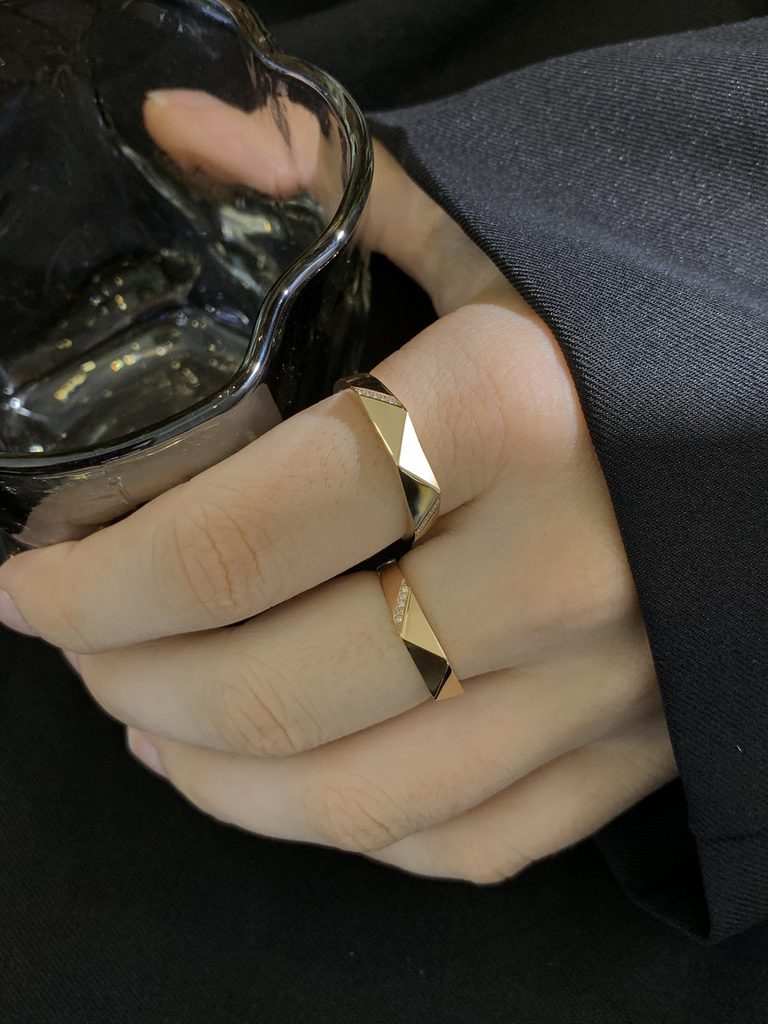
Many stores grow their differentiation by offering exclusive private‑label pieces unavailable to competing local shops. Custom and private‑label work brings higher profit potential, yet it also carries unique risks. Clearly finalize technical specifications including metal alloy details, stone parameters, engraving content, surface finishing, and sample approval steps before production begins. Lock down every requirement in written documentation, including visual reference images, dimension measurements, and quality acceptance criteria.
Inspect pre‑production samples meticulously. Do not authorize mass manufacturing until you are fully satisfied with sample appearance, weight, fit, and craftsmanship. Confirm intellectual property terms to prevent copied designs from circulating widely to competing retail outlets. Understand production lead‑time variance, allow buffer windows for unforeseen adjustments. Discuss defect‑handling protocols for custom runs, because remaking large custom batches creates significant expense for both sides. When managed carefully, private‑label offerings help your store build distinct brand identity and foster stronger loyalty among local clientele.
Build Long‑Term Procurement Strategies For Sustainable Growth
Procurement should never operate as one‑off transaction work. Treat purchasing as ongoing strategic work that evolves together with your store’s shifting customer base. Schedule periodic reviews of your whole product assortment, retire styles that consistently underperform, and allocate freed‑up budget toward rising‑demand categories. Stay informed of material‑market shifts that shape wholesale pricing, so you can adjust retail pricing and buying timing appropriately.
Maintain multiple qualified supplier contacts for core product categories. Having alternative sources protects you against factory delays, supply disruptions, or quality drift from existing partners. Keep organized records of every order, sample feedback, defect instances, and term negotiations. These accumulated notes become your internal knowledge library, helping you make sharper buying decisions year after year. Balance stable repeat‑order staples with controlled exploration of emerging styles to keep your store offering feeling fresh for returning visitors. Thoughtful, well‑researched buying builds stable profit margins, protects your reputation, and lays solid groundwork for lasting retail success.