Global jewelry operators constantly search for balanced approaches to inventory investment, avoiding overstock risk while securing favorable unit pricing on finished ring goods. Timing stands as one of the most undervalued variables within diamond jewelry procurement, directly shaping landed costs, production lead‑times, and overall profit potential. Many market participants focus solely on unit price negotiation without mapping market cycles, seasonal demand shifts, and factory capacity fluctuations, which can erode margins even with seemingly attractive per‑piece rates. This article breaks down actionable perspectives on when to commit to large‑volume ring orders, drawing from real‑world production cycles, supply‑and‑demand shifts, and practical lessons accumulated from consistent order execution across international markets. Understanding these dynamics allows buyers to allocate capital wisely, reduce delivery delays, and align incoming inventory with actual consumer purchasing rhythms.
Seasonal Demand Cycles That Shape Ring Inventory Planning
Consumer buying patterns create predictable waves across bridal and fashion jewelry categories, and these patterns ripple backward through every production stage. Bridal‑oriented ring sales normally surge from late autumn through early spring, driven by holiday‑season proposals, Valentine’s Day engagements, and spring wedding preparations. Retail locations ramp up stock levels ahead of these high‑traffic windows, which creates heavier order inflows for production facilities. Factories stretch capacity during these peak months, extending lead‑times and reducing flexibility for custom adjustments or last‑minute specification tweaks. Buyers who place large orders right before peak retail seasons often face longer waiting periods and limited ability to negotiate extra concessions, since production lines are already fully occupied.
Off‑peak months present contrasting conditions. Consumer bridal activity softens significantly during mid‑summer in most western markets, and order volumes flowing into production facilities drop accordingly. Available manufacturing capacity expands, and factories are more open to flexible terms for sizable commitments placed during quieter trading periods. This does not mean buyers should fill warehouses with excessive stock simply because conditions appear favorable. Every bulk commitment carries holding costs, insurance expenses, and potential depreciation risks as stone pricing evolves across calendar quarters. Thoughtful planning balances cost‑saving opportunities against realistic sell‑through projections for each market. Wholesale ring timing combines external seasonal signals with internal sales history, so buyers avoid making procurement decisions based only on general industry calendars. Operators must review their own historical sales datasets to identify local high‑demand periods, as regional cultural habits can shift peak selling windows away from widely‑reported global patterns.
Supply‑Side Factors Influencing Bulk Order Cost Outcomes
Finished ring pricing does not move independently from loose lab‑grown diamond availability, metal material fluctuations, and workshop loading schedules. Expanded CVD and HPHT diamond reactor output can increase stock levels for calibrated stone sizes, creating downward pressure on component costs when supply outpaces immediate consumption. Periods with accumulated loose‑stone inventory give production operations room to extend volume‑based discounts for complete finished ring lots. Conversely, sudden spikes in demand for particular carat weights or fancy shapes can tighten accessible stock pools, pushing component costs higher and limiting discount eligibility even for large‑size orders.
Precious metal volatility adds another layer of complexity. Gold and platinum raw material prices shift continuously, and these movements directly modify final production quotes for ring assemblies. Quotes remain valid for limited time windows, and large‑volume commitments locked during favorable metal price points can preserve substantial total project value. Currency exchange movements further modify effective landed costs for cross‑border buyers, especially for buyers paying in currencies separate from factory quotation currencies.
Production‑schedule rhythm also deserves careful consideration. Many production sites complete equipment maintenance and process optimization during specific calendar intervals. Orders placed shortly after maintenance cycles benefit from stable equipment performance and consistent quality output across full order runs. Rush orders squeezed into gaps between priority customer runs carry elevated risk of extended delays or minor consistency deviations. Buyers who map these operational rhythms can structure their order submission to fit natural workflow openings. Bulk lab diamond rings gain maximum value when ordered during overlapping windows of ample loose‑stone supply, stable metal pricing, and open workshop capacity.
Evaluating Order Windows Around Industry Trade Event Cycles
International jewelry trade events generate distinct procurement behaviors that affect market conditions for weeks before and after each show. Buyers travel to expos to view new collections, lock in upcoming‑season assortments, and confirm long‑term supply arrangements. Large numbers of purchase commitments get logged in the weeks immediately preceding major trade gatherings. Production facilities allocate substantial capacity to fulfill these newly confirmed orders, which can slow turnaround for incoming requests submitted right around event dates.
Interesting opportunities emerge in the period immediately following key industry expos. Many operators return from trade shows with revised forecasts, cancel tentative provisional orders, or adjust assortment plans, leaving behind freed‑up production capacity. Some finished‑goods inventory reserved for show display also becomes available for prompt shipment. This post‑event window can deliver attractive conditions for well‑prepared buyers. Buyers should avoid assuming post‑show markets always bring steep price drops. Conditions vary heavily based on whether overall industry demand was strong or soft during the exhibition itself.
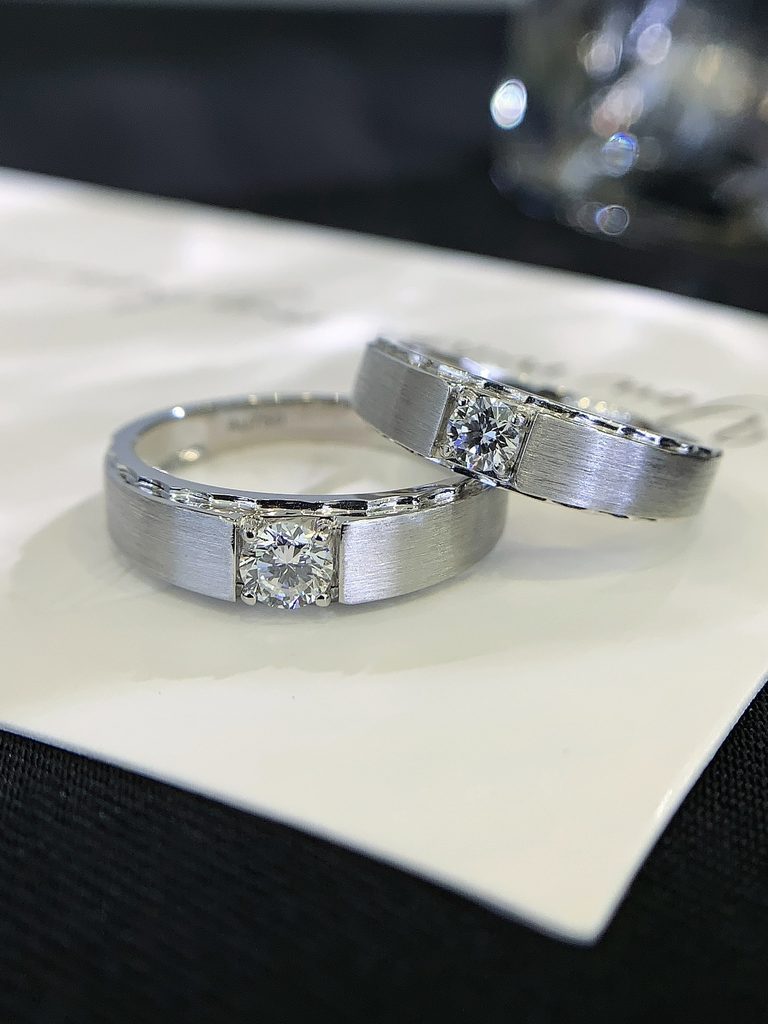
Smart operators use trade event timelines as information markers rather than simple order triggers. They gather updated product samples, confirm latest grading specifications, review newly released designs, and update market intelligence during expos, then finalize formal bulk purchase once they return and complete internal budget validation. This approach gathers all necessary market intelligence without competing against the flood of last‑minute orders submitted right before exhibition opening dates. Factory diamond engagement rings frequently feature prominently within trade‑show assortments, and post‑show periods can offer enhanced access to popular proven styles without the heavy order congestion experienced pre‑event.
Balancing Volume Discount Benefits Against Inventory Depreciation Risks
Volume‑tiered pricing delivers clear per‑unit savings for larger order quantities, yet larger inventory positions bring measurable financial risks. Lab‑grown diamond market conditions continue to evolve, and historical industry cycles show consistent price compression as production technologies advance and overall supply expands. Inventory held for extended periods can face replacement‑cost shifts, which impacts margin calculations when those goods eventually reach retail customers. Holding capital in slow‑moving stock also prevents investment into newer high‑velocity designs that match shifting consumer preferences.
Every buyer needs clear internal metrics to judge acceptable inventory turnover rates. Core popular styles in accessible carat ranges generally support larger batch sizes, as these SKUs maintain steady sell‑through performance across most market environments. Highly specialized designs targeting narrow audience segments require more conservative order volumes, even when volume discount thresholds appear tempting. Mixed‑assortment bulk orders represent a practical middle path, combining solid quantities of top‑performing items with limited test quantities for emerging styles. This structure captures volume pricing advantages while limiting over‑exposure to unproven designs.
Certification consistency represents another critical detail for large‑lot planning. Reputable finished ring lots should carry matching‑standard grading documentation, mostly IGI or GIA certification for global retail distribution. When placing sizable orders, confirm that grading parameters across the full lot will stay uniform. Variations in color, clarity, or cut quality scattered through one bulk shipment create retail‑floor complications and undermine customer trust. Negotiate clear quality tolerances before order confirmation rather than resolving discrepancies after manufacturing completes. wholesale lab grown diamond rings achieve their full profit potential only when volume savings are not offset by inventory depreciation, slow turnover, or inconsistent quality within delivered lots.
Practical Implementation Steps for Optimized Bulk Order Execution
Successful timing strategy relies on structured preparation rather than reactive spot buying. Build a rolling twelve‑month procurement calendar that overlays seasonal retail demand patterns, expected factory‑capacity shifts, metal price trends, and internal sales turnover metrics. Mark preferred ordering windows and secondary backup windows, so alternative options exist if market conditions shift unexpectedly. Maintain open ongoing communication so you receive advance notice about upcoming loose‑stone stock fluctuations, scheduled workshop maintenance, or projected lead‑time adjustments.
Before submitting any large commitment, complete multi‑faceted cost calculation beyond basic unit price. Calculate total landed expenses including shipping, applicable import duties, third‑party inspection costs, and projected warehousing holding expenses. These aggregated numbers deliver true cost comparisons between different order timing scenarios, instead of focusing purely on quoted per‑piece values. Request small pre‑production sample units whenever possible to validate finish quality, stone setting security, and overall craftsmanship before full‑scale production begins.
Build flexibility into every procurement plan. Even thorough forecasting cannot eliminate all market uncertainty. Work out feasible partial‑shipment arrangements where applicable, allowing partial inventory delivery aligned with retail selling waves instead of receiving the complete bulk quantity all at once. This tactic reduces capital tie‑up and warehouse pressure while still securing volume‑based pricing terms. Track performance metrics for every completed bulk purchase, documenting lead‑time accuracy, quality consistency, sell‑through speed, and realized margin outcomes. Recorded historical data continuously improves future timing decisions and sharpens forecast accuracy for subsequent procurement cycles.
Buyers who master strategic timing do not chase hypothetical lowest‑possible spot prices. They recognize that optimal bulk outcomes combine favorable unit rates, dependable delivery schedules, consistent product quality, and inventory aligned with real‑world consumer demand. Each purchasing decision exists within a larger market context, and thoughtful timing unlocks value that negotiation alone cannot accomplish.