Fine jewelry retail markets thrive on balance between timeless aesthetics, wearable practicality, and on-trend design innovation. Modern consumers no longer prioritize pure luxury alone; they seek durable, customizable, and cost-effective pieces that fit daily wear, special occasions, and personal style statements. For retail brands, curating a diverse inventory of premium jewelry settings is the core of boosting sales, expanding customer groups, and building market competitiveness. As consumer preferences evolve rapidly, retailers must keep pace with dominant setting styles while reserving space for personalized and niche designs to meet segmented market demands. Each jewelry setting style carries unique structural advantages, visual characteristics, and target consumer groups, directly influencing product sales volume and customer repurchase rates. Understanding the practical value and market potential of mainstream and emerging settings helps retailers optimize inventory structure, reduce overstock risks, and enhance brand differentiation in the highly competitive fine jewelry industry.
In the current fine jewelry supply chain, flexible procurement and customized production have become mainstream development trends. Retailers are no longer limited to finished jewelry wholesale but prefer to cooperate with professional manufacturers to obtain diversified, high-quality, and adjustable jewelry mounting solutions. This shift makes professional setting design and manufacturing capabilities key cooperation indicators for retailers when selecting suppliers. Jewelry settings wholesale has gradually become the most efficient procurement mode for physical jewelry stores, online luxury boutiques, and customized jewelry studios, supporting retailers to achieve flexible batch stocking and rapid product iteration.
Classic Jewelry Setting Styles That Sustain Retail Market Demand
Classic setting styles have maintained stable market popularity for decades, serving as the basic inventory that every fine jewelry retailer must reserve. These styles feature high recognition, strong wearability, and wide audience coverage, effectively reducing market sales risks and ensuring stable daily sales volume. Solitaire settings rank first in classic styles, renowned for their minimalist and elegant design. By fixing a single core gemstone with 4 or 6 prongs, the design minimizes metal occlusion, maximizes the light transmission and fire of diamonds or colored gems, and highlights the pure texture of high-quality stones. Solitaire setting jewelry is suitable for engagement rings, wedding bands, and daily pendant accessories, catering to minimalist consumers and traditional wedding jewelry markets.
Halo settings remain a top trending choice in the retail market, favored for their ability to visually enlarge the center stone and enhance overall brilliance. A circle of miniature pave-set stones surrounds the main gemstone, creating a layered and luxurious visual effect. This setting style perfectly meets consumers’ demand for “high cost performance and strong visual impact”, making it extremely popular in the mid-to-high-end fine jewelry market. Hidden halo settings, an upgraded version of traditional halo designs, place auxiliary stones under the center stone, presenting subtle sparkle while maintaining a low-key and advanced texture, which has become a hot-selling niche style in recent years.
Bezel settings and pave settings are also indispensable classic options for retail inventory. Bezel settings wrap the entire edge of the gemstone with metal rims, providing comprehensive protection for stones and effectively preventing falling off and abrasion. This structural advantage makes bezel-set jewelry ideal for daily wear, suitable for consumers with active lifestyles. Pave settings densely arrange tiny stones on the metal surface, making the metal base almost invisible and creating an overall sparkling effect, which is widely used in fashion fine jewelry and bridal accessory sets.
Customizable Ring Setting Solutions for Diversified Retail Scenarios
With the continuous upgrading of consumer demand, standardized finished jewelry can no longer meet personalized purchase needs. More customers tend to customize exclusive fine jewelry according to their preferences, finger size, and emotional demands, which drives retailers to continuously enrich customized setting products. Ring settings are the most customized category in fine jewelry, covering wedding rings, anniversary rings, fashion casual rings, and other diversified scenarios. Different from fixed finished products, flexible ring setting structures support personalized matching of different stone shapes, sizes, and materials, bringing richer product possibilities to retailers.
Professional manufacturers provide diverse adjustable structures and material options for ring settings, including platinum, 18K gold, rose gold, and silver substrates, as well as multiple polishing and surface treatment processes such as matte, glossy, and brushed finishes. Retailers can freely match different gemstones according to regional consumption habits and customer preferences to form differentiated product lines. Wholesale jewelry ring settings allows retailers to purchase blank ring settings in batches at cost-effective prices, realizing flexible personalized matching and rapid order response, greatly improving the operational efficiency of customized jewelry businesses.
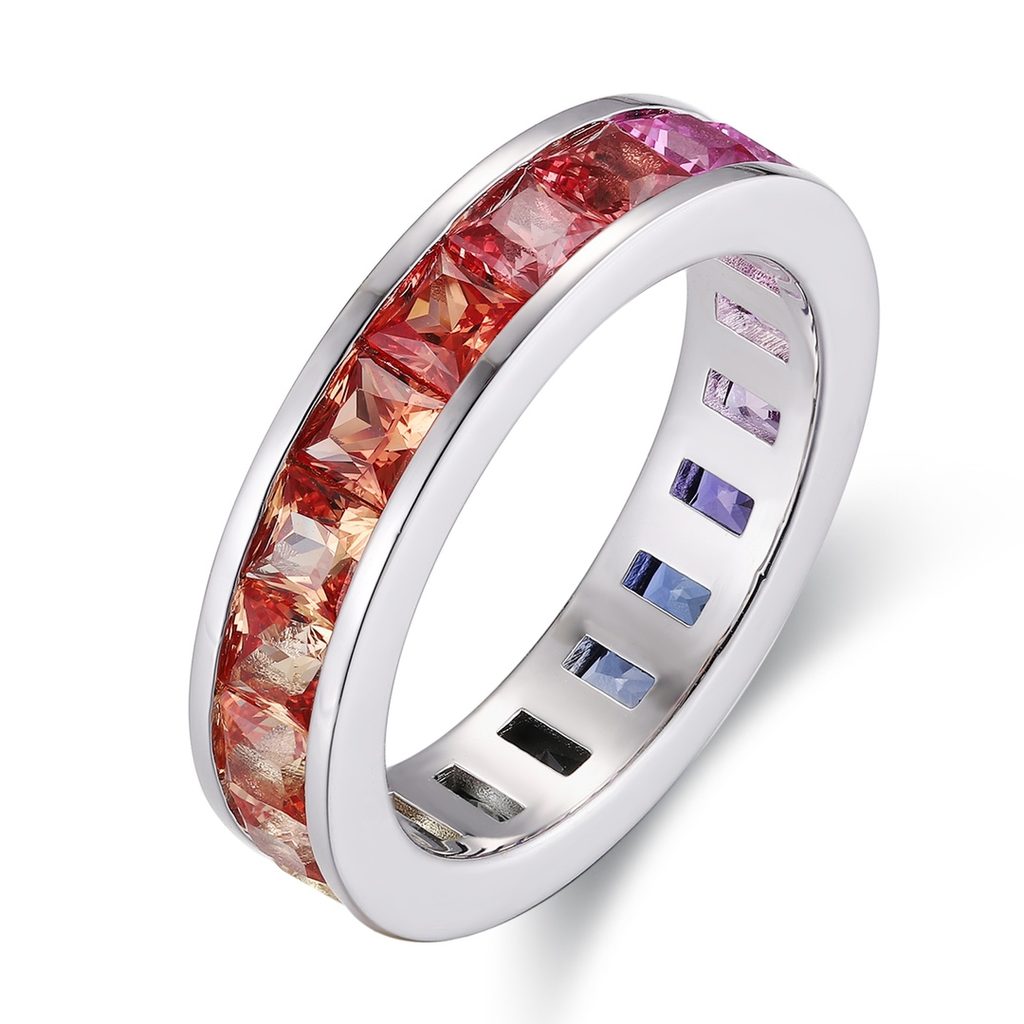
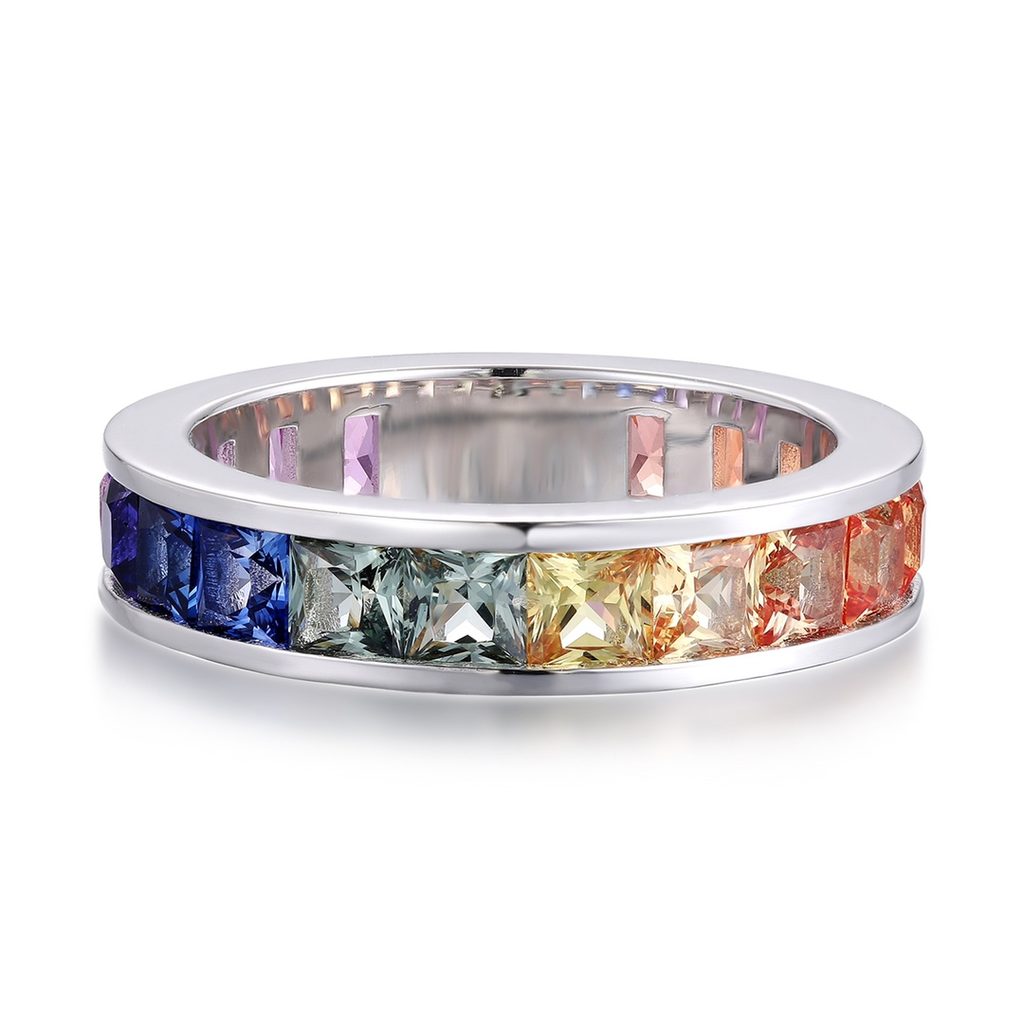
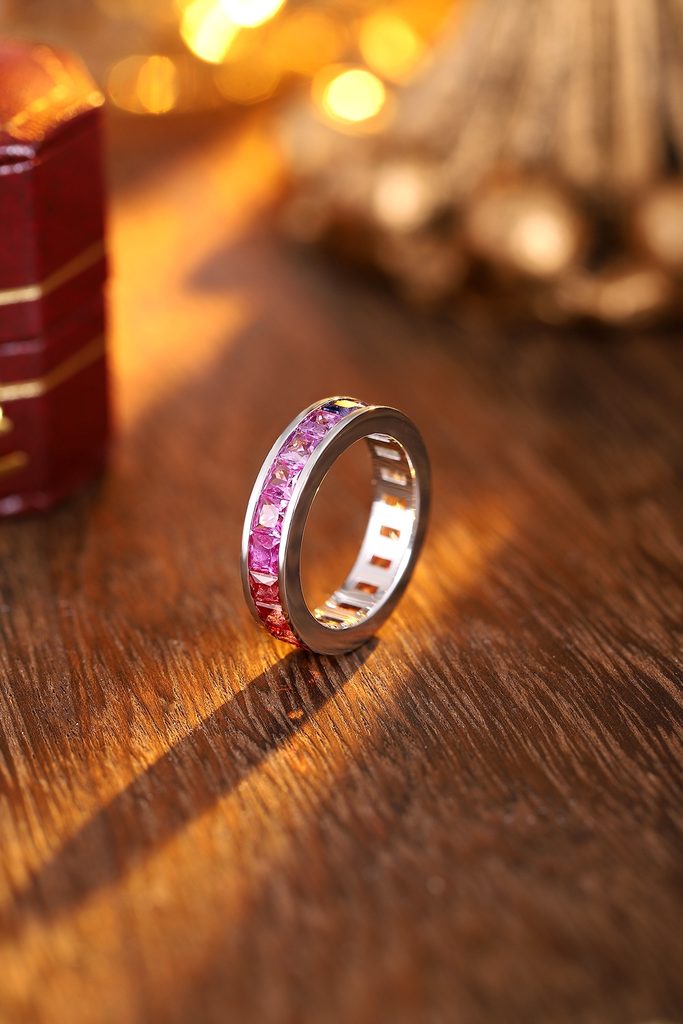
Three-stone settings, twisted settings, and channel settings are mainstream customizable ring setting styles in the current market. Three-stone settings match one large center stone with two symmetrical auxiliary stones, symbolizing past, present and future love, and are highly popular in the wedding jewelry market. Channel settings fix multiple stones in metal grooves, with smooth and round edges, safe and wearable, suitable for couple rings and daily fashion rings. These diverse setting styles enable retailers to cover low, medium and high-end consumer groups and meet the customized needs of different scenario-based purchases.
Lab Grown Diamond Customization as Retail Market Growth Driver
Lab grown diamonds have become a core growth track in the global fine jewelry industry in recent years, relying on their advantages of high clarity, low price, and environmental sustainability. More young consumers and middle-end buyers choose lab grown diamond jewelry as wedding gifts, daily wear accessories, and fashion collections, bringing huge market increments for fine jewelry retailers. Different from natural diamonds with fixed parameters, lab grown diamonds support personalized customization of carat, cut, color, and clarity, which puts forward higher requirements for the matching degree of jewelry settings.
Standard settings often cannot perfectly adapt to customized lab grown diamonds with special parameters, so targeted setting design and production have become essential. Professional manufacturers can adjust the prong spacing, metal radian, and inlay structure of settings according to the customized size and cut of lab grown diamonds, ensuring a perfect fit between stones and settings while maximizing the light performance of lab grown diamonds.Custom made lab grown diamond rings have become a hot-selling product line for major fine jewelry retailers, effectively helping brands capture young consumer markets and increase product profit margins.
Custom lab grown diamond rings break the limitations of traditional fixed jewelry styles. Consumers can independently select ring setting styles, metal materials, diamond parameters, and even carve exclusive patterns and texts on the ring band. For retailers, this customized model reduces inventory pressure, as products can be produced on demand according to customer orders. Meanwhile, the high flexibility of lab grown diamond customization supports retailers to launch limited-edition styles, seasonal new products, and exclusive customized services, effectively enhancing customer stickiness and brand premium capability.
Professional Manufacturing Services Supporting Retail Brand Iteration
The core competitiveness of fine jewelry retail brands lies in stable product quality, continuous innovative design, and reliable after-sales service, all of which are inseparable from professional and standardized manufacturing support. Many retail brands do not have independent production workshops and technical teams, so they rely on professional jewelry manufacturers to complete setting design, mold opening, production, polishing, and quality inspection processes. High-quality manufacturing services can help retailers reduce production costs, shorten product launch cycles, and maintain stable product quality.
Excellent jewelry manufacturing teams have mature technical experience in setting structure optimization, stone inlay technology, metal durability improvement, and detail processing. They can provide targeted optimization solutions according to retailers’ brand positioning: for high-end luxury brands, they provide complex handmade inlay, micro-carving details, and high-precision polishing processes; for fashion mass-market brands, they focus on standardized mass production, cost control, and fast delivery efficiency. In addition, professional manufacturers can also provide market trend analysis and new style development services, helping retailers accurately grasp market hotspots and launch competitive new products in a timely manner.
Full-link manufacturing services cover the whole process from design drawing confirmation, mold development, sample production, batch production to finished product inspection and packaging. This one-stop service mode simplifies the procurement and production process for retailers and avoids quality problems caused by multi-link handover. custom jewelry manufacturing services enable retailers to realize personalized product customization, small-batch trial production, and large-batch stable supply at the same time, perfectly adapting to the flexible operation needs of modern fine jewelry retail brands.
How Retailers Select High-Quality Setting Styles and Manufacturing Partners
Reasonable selection of setting styles and reliable manufacturing suppliers is crucial for retailers to stabilize market operations and achieve long-term development. First of all, retailers need to match setting styles according to their own brand positioning and customer groups. High-end luxury retail brands can focus on complex handmade settings, vintage carved settings, and high-end customized styles to improve brand premium; fashion mass-market brands can take classic solitaire, halo, and pave settings as the main products, supplemented by seasonal trendy settings to balance sales volume and innovation.
Secondly, retailers need to comprehensively inspect the technical strength, quality control system, and delivery capacity of manufacturers. High-quality jewelry settings need to meet strict industry standards in terms of firm inlay, smooth polishing, comfortable wearing, and durable structure. Qualified manufacturers will conduct multiple rounds of stone falling tests, metal hardness tests, and surface durability tests on each setting style to ensure that the products can adapt to long-term daily wear and reduce after-sales maintenance rates.
In addition, flexible production and customized response capabilities are important evaluation indicators for supplier selection. Excellent manufacturers can support small-batch wholesale of conventional settings and rapid customized production of special styles, helping retailers flexibly adjust inventory according to market sales data. Timely after-sales service, including product maintenance, size adjustment, and style modification, can also help retailers improve customer satisfaction and form a good market reputation.
Future Development Trends of Fine Jewelry Setting Retailing
The fine jewelry retail industry is moving towards personalization, environmental protection, and minimalism. In terms of setting design, minimalist lightweight settings will continue to be popular, meeting consumers’ demand for comfortable daily wear. At the same time, environmentally friendly metal materials and sustainable lab grown diamond matching settings will become mainstream innovative products in the market. Niche creative settings such as asymmetrical inlay, mixed stone matching, and retro composite structures will continue to emerge, bringing new sales growth points for retailers.
With the continuous development of customized consumption, the integration of personalized design and standardized wholesale will become the mainstream operation mode of fine jewelry retail. Retailers who can combine classic hot-selling settings with personalized customized services will occupy a dominant position in market competition. Supported by professional manufacturing services, retail brands can continuously iterate product styles, optimize product quality, and accurately meet the increasingly diversified and personalized consumption needs of the market, realizing sustainable brand development and stable sales growth in the fine jewelry industry.